
How Do You Put A Pattern Into A Concrete Drive?
Patterned concrete driveways are a popular choice for homeowners who want a strong, practical surface without settling for a plain concrete finish. By adding colour, texture and a carefully selected pattern to freshly laid concrete, it is possible to recreate the appearance of block paving, cobbles, slate and natural stone while retaining the strength of a solid concrete surface.
At Sketch Driveways, we regularly speak to homeowners who are interested in concrete imprint driveways in Tamworth but want to understand exactly how the pattern is created. The finished surface can look extremely detailed, so it is easy to assume that individual blocks or stones have been installed. In reality, the pattern is carefully pressed into fresh concrete during a specialist installation process. Timing, preparation and experience are all essential, as the concrete must be worked at the correct stage to achieve a clean and consistent finish.
What Is Pattern Imprinted Concrete?
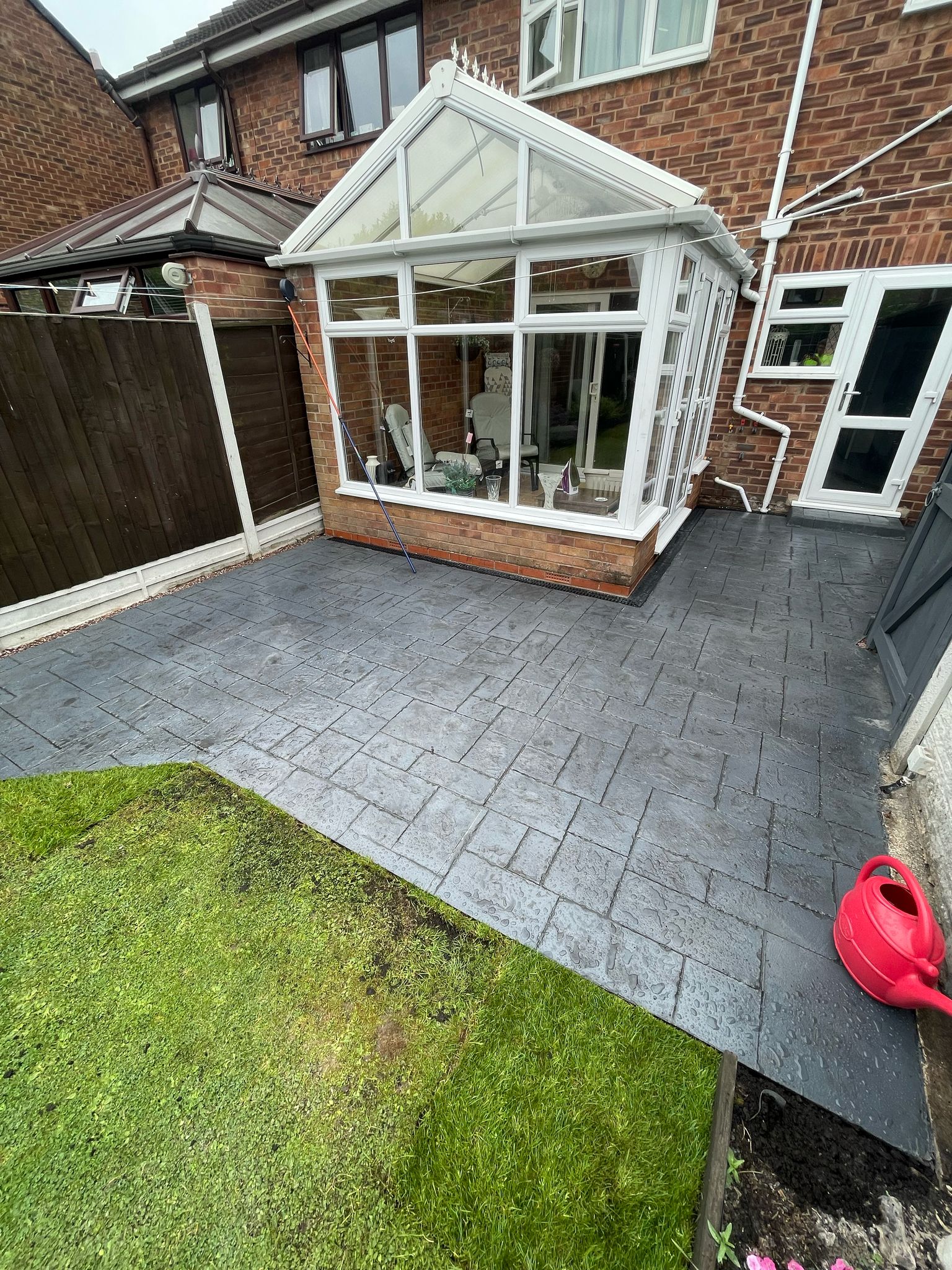
Pattern imprinted concrete is a decorative driveway surface created using freshly laid concrete, specialist colouring products and textured imprint mats. Rather than leaving the concrete with a smooth or brushed finish, the surface is pressed with moulded mats that create a detailed pattern before the concrete fully hardens.
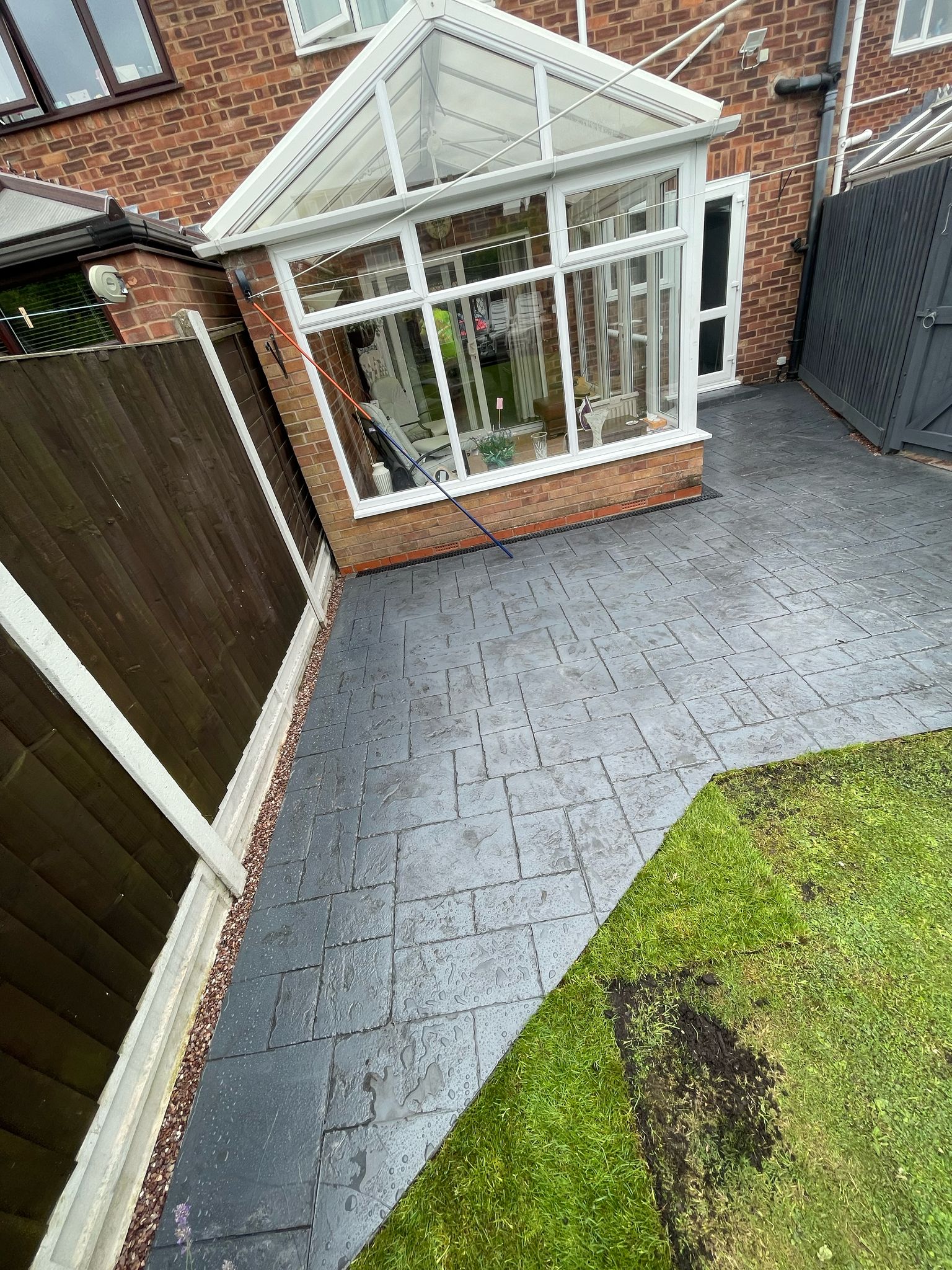
These mats are manufactured with textures and shapes designed to replicate popular paving materials. Depending on the chosen design, the finished surface can resemble traditional cobbles, individual paving blocks, slate slabs, brickwork or natural stone. The pattern is impressed directly into the concrete, which creates realistic joints and surface texture.
Colour is also an important part of the process. A specialist colour hardener is applied to the concrete before the pattern is created. This provides the main colour of the driveway and can help strengthen the upper surface. A release agent may then be used during the imprinting process, helping prevent the mats from sticking to the fresh concrete while also adding depth to the final appearance.
Once the concrete has cured, the surface is cleaned and sealed. The sealant enhances the colour and provides additional protection against moisture, dirt and general wear. When every stage is completed correctly, the result is a strong driveway with a decorative and highly detailed appearance.
Preparing The Ground Before The Concrete Is Laid
Creating an attractive pattern is only one part of installing a concrete driveway. Before any concrete can be poured, the ground needs to be properly prepared. At Sketch Driveways, we consider this one of the most important stages of the entire project because the foundations support everything above them.
The existing driveway or surface is removed where necessary, and the area is excavated to the required depth. The exact amount of excavation will depend on the condition of the ground, the layout of the property and the intended use of the driveway. Any weak or unsuitable material needs to be removed to create a stable starting point.
A suitable sub base is then installed and compacted. This provides a firm foundation for the concrete and helps spread the weight of vehicles across the driveway. Proper compaction is essential because loose or poorly prepared groundwork can contribute to movement and other problems later.
Drainage also needs to be considered before the concrete is laid. The driveway must be designed so that water is managed correctly and does not simply collect across the surface. Levels and falls are carefully planned to direct water towards suitable drainage areas or systems where required.
Edging and any necessary formwork are also prepared during this stage. These features help define the shape of the driveway and hold the concrete in position while it is being installed.
Pouring And Levelling The Concrete
Once the groundwork has been completed, the concrete can be poured into the prepared driveway area. This stage needs to be carefully organised because concrete begins curing from the moment it is placed. The installation team must work efficiently while still maintaining control over the levels and finish.
The concrete is spread evenly across the driveway and worked into the required position. Specialist tools are used to level the surface and create the correct falls for drainage. It is important that the concrete has a consistent depth and is properly placed around edges, drainage channels and other features.
At this point, the surface may look like a standard concrete driveway. However, it is still soft enough to be coloured and patterned. The timing of the next stages is extremely important. If the concrete is too wet, the imprint mats may sink too deeply or cause the surface to move. If the concrete becomes too hard, it may be difficult to create a clear pattern.
Experienced installers monitor the condition of the concrete throughout the process. Weather conditions can affect how quickly it begins to set, which means the team must adjust the pace of the installation accordingly. Warm, dry weather may cause the surface to firm up more quickly, while cooler conditions can slow the process down.
How Colour Is Added To The Concrete Driveway
The colour of a pattern imprinted concrete driveway is usually created using a specialist colour surface hardener. This product is applied to the freshly laid concrete before the imprint mats are used.
The colour hardener is carefully distributed across the surface to achieve an even finish. It is then worked into the upper layer of the concrete using specialist tools. The application process may be repeated to ensure the desired colour coverage and surface quality are achieved.
There are many colours available, allowing homeowners to select a shade that complements their property. Traditional red and brown tones can recreate the appearance of brick or older paving, while charcoal and grey colours are often selected for more modern homes. Natural stone shades can also be used to create a softer appearance.
At Sketch Driveways, we help customers consider how the chosen colour will work alongside existing brickwork, rendering, garden features and property boundaries. The aim is to create a driveway that feels like a natural part of the home rather than a surface that looks disconnected from its surroundings.
Colour can appear slightly different once the driveway has been cleaned and sealed. The final sealant often enhances the shade and gives the surface a richer appearance.
How The Pattern Is Pressed Into The Concrete
The actual pattern is created using specialist imprint mats, sometimes referred to as printing mats or stamping mats. These large, flexible moulds contain the texture and pattern that will be transferred onto the concrete surface.
Before the mats are placed, a release agent is applied. This helps prevent the imprinting tools from sticking to the fresh concrete. Depending on the system being used, the release product can also help create subtle variations in tone, adding depth and definition to the pattern.
The first imprint mat is carefully positioned on the concrete. Getting the starting position correct is essential because every following mat needs to align with the previous pattern. Once the mat is in place, pressure is applied to push the texture into the surface.
The mat is then lifted and repositioned as the team works across the driveway. Each section must be aligned carefully to maintain a consistent pattern. The installers also need to make sure the depth of the imprint remains even throughout the surface.
This process requires skill and attention to detail. The concrete continues to cure while the pattern is being created, so the team must work at a steady and controlled pace. Areas around edges, walls, steps and drainage channels can require additional hand finishing to ensure the pattern remains neat.
Why Timing Is So Important During Imprinting
Timing is one of the most important parts of creating a patterned concrete driveway. Unlike block paving, where individual blocks can be adjusted during installation, fresh concrete provides a limited window in which the pattern can be created.
If the surface is imprinted too early, the concrete may be too soft. The mats can sink excessively, causing deep impressions or uneven areas. The surface may also move under pressure, affecting levels and drainage.
Waiting too long creates a different problem. Once the concrete becomes too firm, the imprint mats may not create enough depth or texture. This can result in a faint or inconsistent pattern that does not achieve the desired appearance.
Experienced driveway installers learn to recognise when the concrete is ready to imprint. Factors such as air temperature, sunlight, wind and moisture can all influence the curing speed. Even different sections of the same driveway may begin to firm at slightly different rates.
At Sketch Driveways, careful planning and teamwork are essential during this stage. The installation needs to progress smoothly so the pattern can be applied consistently across the entire driveway before the concrete becomes too hard to work.
Cleaning The Surface After The Concrete Has Cured
Once the pattern has been imprinted, the concrete needs time to cure before the next stage can begin. The exact curing period can depend on the installation conditions and products used, but the surface must be left undisturbed while it gains strength.
After the initial curing period, the driveway is cleaned to remove excess release agent and surface residue. This process helps reveal the true colour and detail of the pattern beneath.
Cleaning needs to be completed carefully. The aim is to remove unnecessary material without damaging the newly created surface. Once cleaned, the pattern becomes much clearer and the driveway begins to take on its final appearance.
Any small finishing details can also be addressed at this stage. Imprinted joints may be checked, and areas around edges or drainage features can be reviewed to ensure a neat finish.
The driveway is then allowed to dry before the sealant is applied. A dry surface is important because trapped moisture can affect the appearance and performance of the sealer.
Sealing A Pattern Imprinted Concrete Driveway
Sealing is the final major stage of the installation process. A specialist concrete sealer is applied across the surface once the driveway is clean and sufficiently dry.
The sealant helps protect the concrete against moisture, dirt and general everyday wear. It also enhances the colour of the driveway, bringing out the tones and details within the imprinted pattern.
Depending on the selected finish, the sealer can create a subtle sheen across the surface. The completed driveway often appears richer in colour after sealing, helping recreate the appearance of natural paving materials.
The sealant also makes routine cleaning easier because dirt is less likely to become deeply embedded in the surface. However, concrete imprint driveways still need basic care to maintain their appearance.
Over time, resealing may be recommended. The frequency will depend on the amount of traffic, exposure to weather and general condition of the driveway. Applying a suitable sealer when required can help preserve the colour and protective finish.
Can Any Pattern Be Added To A Concrete Drive?
There is a wide selection of imprint patterns available, but the design needs to be created using suitable specialist mats. Popular choices include cobblestone, ashlar slate, brick, herringbone paving and natural stone inspired patterns.
The size and layout of the driveway can influence which pattern works best. Larger designs can look particularly effective across wide driveway areas, while smaller paving patterns may suit compact spaces or traditional properties.
The architecture of the home should also be considered. A pattern that looks excellent outside a modern property may not always be the best choice for an older house. At Sketch Driveways, we believe the driveway should complement the existing building and surrounding outdoor space.
Colour selection can completely change the appearance of the same imprint pattern. A cobble design in a traditional brown shade can create a classic look, while a similar pattern in charcoal may appear much more contemporary.
By considering pattern, colour and the wider property together, it is possible to create a driveway that feels carefully designed and visually balanced.
Is Pattern Imprinted Concrete Right For Your Driveway?
Pattern imprinted concrete can be an excellent choice for homeowners looking for a durable driveway with a decorative appearance. It provides the strength of concrete while offering patterns and textures inspired by more traditional paving materials.
The continuous surface means there are no individual block joints where weeds can easily establish themselves. Routine maintenance is generally straightforward, with occasional cleaning helping keep the driveway tidy. Resealing when required can also help protect the surface and maintain the colour.
As with any driveway material, professional installation is extremely important. Ground preparation, drainage, concrete placement, colouring and imprinting all need to be completed correctly. The patterning stage is particularly time sensitive and requires experience to achieve a consistent finish.
At Sketch Driveways, we take a careful approach to every concrete imprint installation, paying attention to the preparation beneath the driveway as well as the decorative finish on the surface.
Create A Patterned Concrete Driveway With Sketch Driveways
Putting a pattern into a concrete drive involves much more than simply pressing a mould into the surface. The process begins with thorough groundwork and careful drainage planning before the concrete is poured, levelled and coloured. Specialist imprint mats are then used at exactly the right stage of the curing process to create the chosen texture and design.
Once the concrete has hardened, the surface is cleaned and sealed to enhance the colour and provide additional protection. Every stage plays an important role in creating a driveway that looks attractive and performs reliably over time.
At Sketch Driveways, we design and install high quality concrete imprint driveways for homeowners throughout Tamworth and the surrounding areas. We can help you explore different patterns and colours, explain the installation process and recommend a finish that suits the character of your property.
If you are considering a patterned concrete driveway, our friendly team is here to provide straightforward advice and professional workmanship. We take pride in creating driveways that combine strength, practical everyday use and an impressive decorative finish that can enhance your home for many years. Contact us fro a free quote.